
The slab nobody sees
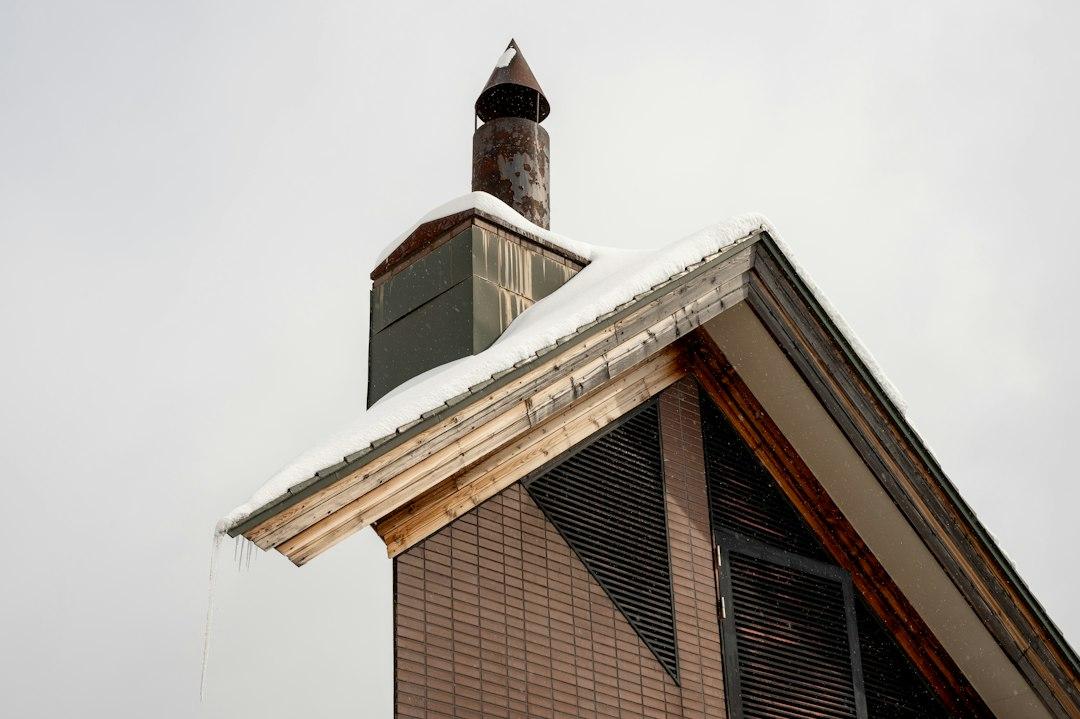
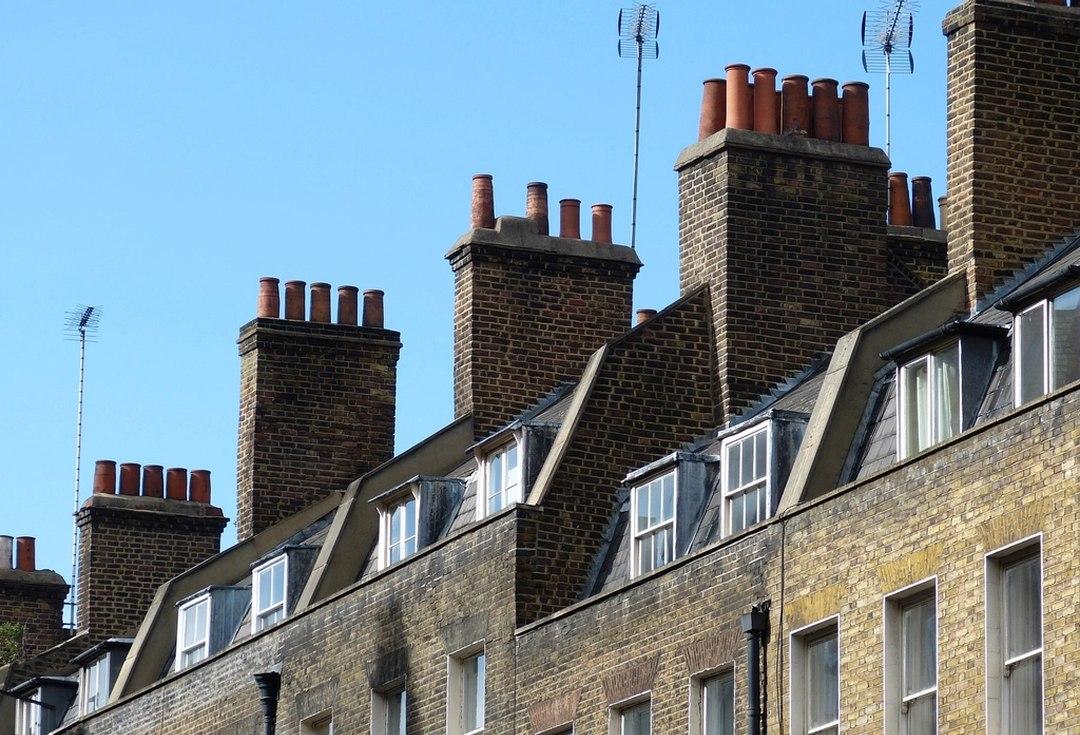
On top of every masonry chimney sits a slab that works harder than any other part of the stack. The crown covers the brick around the flue, turns away rain and protects every mortar joint beneath it. In Yorba Linda it also takes the full summer sun on its face and a cold flue at night, so it swells and shrinks more than almost anything else on the house. Nobody sees it from the yard, which is why so many of the crowns we inspect have been cracked for years.
A failed crown gets one of two treatments: a sealer coat over the old slab, or a full recast. What it is made of, and how badly it has broken, picks between them.
Why so many fail early
Plenty of chimneys in north Orange County never got a true crown. The builder laid the last course, buttered a few inches of mortar across the top and sloped it with a trowel. Mortar is not made to be a roof. It shrinks as it dries, crazes in the heat and has no overhang, so rain runs off its edge and straight down the brick.
A proper crown is another thing altogether. It is cast concrete, thickest at the flue and falling outward, reaching past the brick on every side so water drops into the air rather than onto the stack. Where it meets the flue tile there is a narrow break filled with a flexible sealant, because clay and concrete warm at different rates and a slab poured tight against the tile will split around it.
When a sealer coat is enough
Sealing fits a crown that is the right kind and still mostly whole. The signs:
- the cracks are fine lines, not open gaps
- the slab is still bonded to the brick and does not rock
- there is a real overhang and a real slope
- no chunks have broken away
We wash the surface, rout each crack open and pack it, then brush a flexible crown coating over the full slab so it can stretch as the concrete moves. That keeps water out of the fine lines before they widen. On a sound crown it is a modest job and buys years.
When it has to be recast
Coating a crown that is broken through, or a trowelled mortar cap with no overhang, is money spent on top of the problem. If:
- cracks run right through the slab
- pieces are loose or missing
- the crown is a thin mortar wash with nothing projecting past the brick
- water is already marking the brick below or showing inside
then we remove the old crown entirely. We break it out to the top course of brick, check that course and repoint or relay it as needed, then build timber forms, wrap the flue tile in a bond break and place new concrete. The forms give the overhang, and the top is finished with a fall away from the tile. Once it has cured the forms come off, the joint at the tile is sealed and the cap goes back on.
Recasting is also the moment to sort out the top courses. If those bricks are loose, the new crown needs something solid to sit on, and relaying a few rows on the same visit costs less than a second trip.
What sets the price
Neither repair carries a list price with us, because crowns vary enormously. A small single flue stack might have a crown barely bigger than a doormat; a wide stack serving three fireplaces can carry a slab the size of a dining table. The figure depends on:
- how big the slab is, and whether one flue or three run through it
- whether the top courses of brick need work underneath
- the type and state of the cap, which has to come off for either job
- roof access and pitch
If the cap needs replacing, it is quoted after we measure. Size and metal set that price. Leaks traced to the crown fall into our leak repair range of $575 to $3,450, depending on how far the water has spread.
Describe the top of your chimney as well as you can see it, and say whether water has shown up indoors. We will come out, measure the slab and give you a written figure for sealing or recasting.
Why the crown matters to the brick
To a mason, the crown guards every joint in the stack. When it cracks, water runs into the core of the chimney, soaks the brick from inside and loosens the mortar. Repointing a chimney under a failed crown is wasted money, because the joints open up again. That is why we look at the crown first on any masonry job, and why a recast so often heads a repointing quote. Our chimney crown repair page has more on the work itself.
It protects the flue as well. Water coming down inside the brick reaches the liner joints and the smoke chamber, rusting the damper and marking the ceiling.
What we find in Yorba Linda
Tracts built through the sixties and seventies have many chimneys topped with mortar caps that have now had decades of sun. Most have cracked. Some have been coated again and again, each layer thicker than the last. On those, one proper recast usually costs less over time than another round of sealing.
To have a mason look at your crown, send a note through our contact page. We will tell you plainly which repair your chimney needs and why.
Have a Mason Read Your Chimney
Wolsey Chimney Solutions looks at the joints, the crown and the flashing, photographs each defect and writes the repair and its figure down. Book from Yorba Linda, Anaheim, Fullerton, Tustin or nearby.